Back to templates
Skip to main content

The tide keepsits own record

Move your cursor across the canopy — every survey in this portfolio starts with looking closer at what's actually underwater.

From kelp canopies to coral reefs to the animals that depend on both — this is the field data behind the write-ups.

View Research
SCUBA CTD Sensor Quadrat Transects Acoustic Telemetry eDNA Extraction Kit CoralNet R / RStudio ArcGIS Pro Secchi Disk Plankton Net SCUBA CTD Sensor Quadrat Transects Acoustic Telemetry eDNA Extraction Kit CoralNet R / RStudio ArcGIS Pro Secchi Disk Plankton Net
01About

Reading the water column's long memory.

Focus areas

  • Coral reef ecology & bleaching resilience
  • Subtidal kelp forest monitoring
  • Acoustic & satellite animal tracking
  • Environmental DNA (eDNA) sampling

I'm a marine biology student who treats the water column like a manuscript — every depth zone is a chapter, and my job is to log what's actually down there before I trust a single conclusion.

The reef doesn't round its numbers. I'd rather run one more transect at 4am before the tide turns than publish a count I only half-trust.

La Jolla, CAScripps Institution of Oceanography, UC San DiegoOpen to research assistant & field technician roles
02Field Method

Four steps. Every dive.

01

Dive

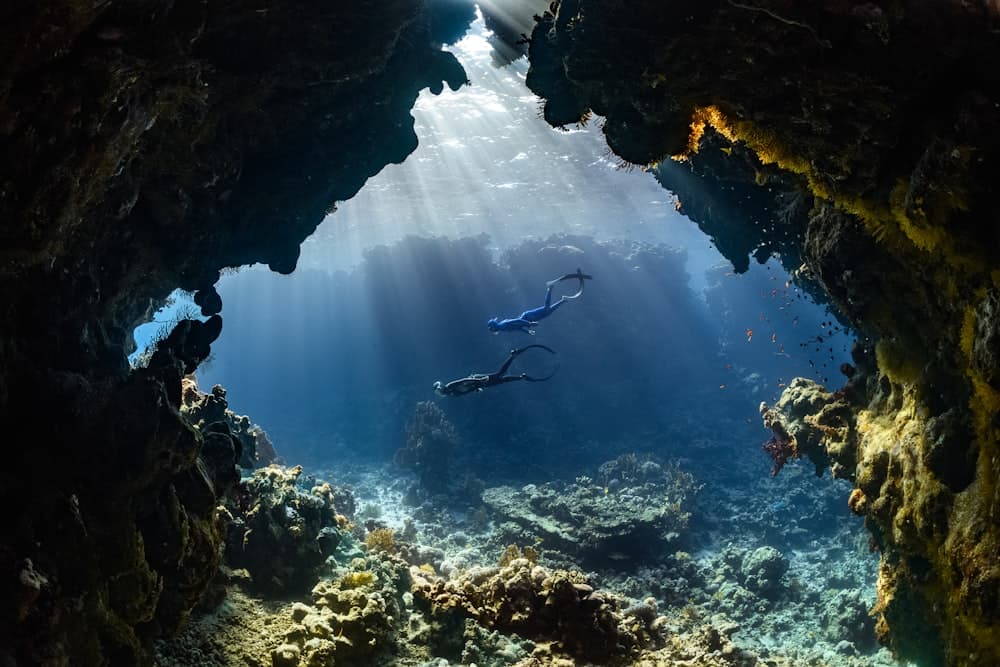
Survey the site first-hand — transects, quadrats, visual census — before a single sample leaves the water.

02

Sample

Collect eDNA, tissue, and water-chemistry data with strict chain-of-custody logging.

03

Analyze

Run qPCR assays, photo-quadrat image analysis, and acoustic detection logs back at the bench.

04

Report

Turn raw counts into a model an advisor, an agency, or a reef manager can actually act on.

03Water Column

Scroll to descend the water column.

Keep scrolling — the same five depth zones every dive, tag, and eDNA sample in this portfolio is filed under.

Sunlight Zone

Epipelagic

0 – 200m

Kelp canopies and coral reefs — where almost every survey in this portfolio actually starts.

Twilight Zone

Mesopelagic

200 – 1,000m

Light fades to blue-black; acoustic tags start to matter more than eyesight.

Midnight Zone

Bathypelagic

1,000 – 4,000m

No sunlight reaches this deep — bioluminescence becomes the water column's own language.

Abyssal Zone

Abyssopelagic

4,000 – 6,000m

Near-freezing, crushing pressure, and some of the slowest metabolisms on the planet.

Trench Zone

Hadalpelagic

6,000m+

Ocean trenches — the least-observed habitat on Earth, mapped one submersible dive at a time.

DEPTH0 m
04Field Research

Studies that earned a footnote.

Tilt a card — every study here started with a dive log before it ever reached a dataset.

No. 01Subtidal Ecology · SCUBA Transects

Kelp Canopy Recovery Survey

Ran quarterly canopy-density transects across the Point Loma kelp forest to track recovery after the 2014–16 marine heatwave dieback.

SCUBAQuadrat TransectsCanopy Density Index
  • 18 permanent transects re-surveyed
  • Canopy density up 22% over 2 seasons
  • Data shared with local kelp restoration partners
No. 02Reef Ecology · Bleaching Response

Coral Bleaching Resilience Study

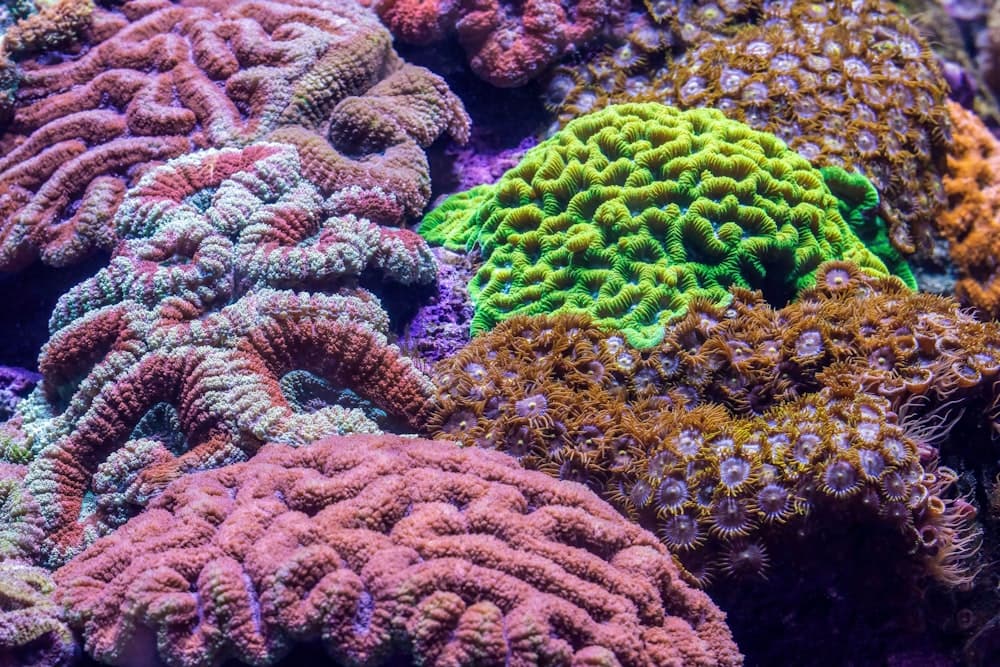
Photo-quadrat monitoring of thermally stressed coral colonies at the Moorea Coral Reef LTER site to flag early resilience signals.

Photo-QuadratsCoralNetHOBO Temp Loggers
  • 540+ quadrat images annotated
  • 3 resilient colony genotypes flagged
  • Presented at department research symposium
No. 03Megafauna · Acoustic Telemetry

Green Sea Turtle Residency Tracking

Tagged and tracked the resident green sea turtle population in San Diego Bay's warm-water outfall habitat across two seasons.

Acoustic TagsVR2W ReceiversPhoto-ID Catalog
  • 14 individuals photo-ID catalogued
  • Residency patterns mapped across tide cycles
  • Findings shared with regional wildlife agency
No. 04Molecular Ecology · eDNA Metabarcoding

eDNA Biodiversity Baseline

Built a water-sample eDNA baseline across La Jolla Cove's kelp beds and tide pools to catch species a visual census would miss.

eDNA Extraction KitqPCRMetabarcoding Pipeline
  • 46 water samples processed
  • 9 species detected with no prior visual record
  • Protocol adopted by incoming lab cohort
No. 05Marine Mammals · Visual Census

Gray Whale Migration Census

Logged pod counts and calf ratios during the winter gray whale migration from the cliffside observation station at Scripps.

Spotting ScopeTheodoliteSighting Log Sheets
  • 312 pods logged across one season
  • Calf ratio 6% above 5-year average
  • Counts submitted to regional census network
No. 06Phytoplankton Ecology · HAB Monitoring

Red Tide Bioluminescence Monitoring

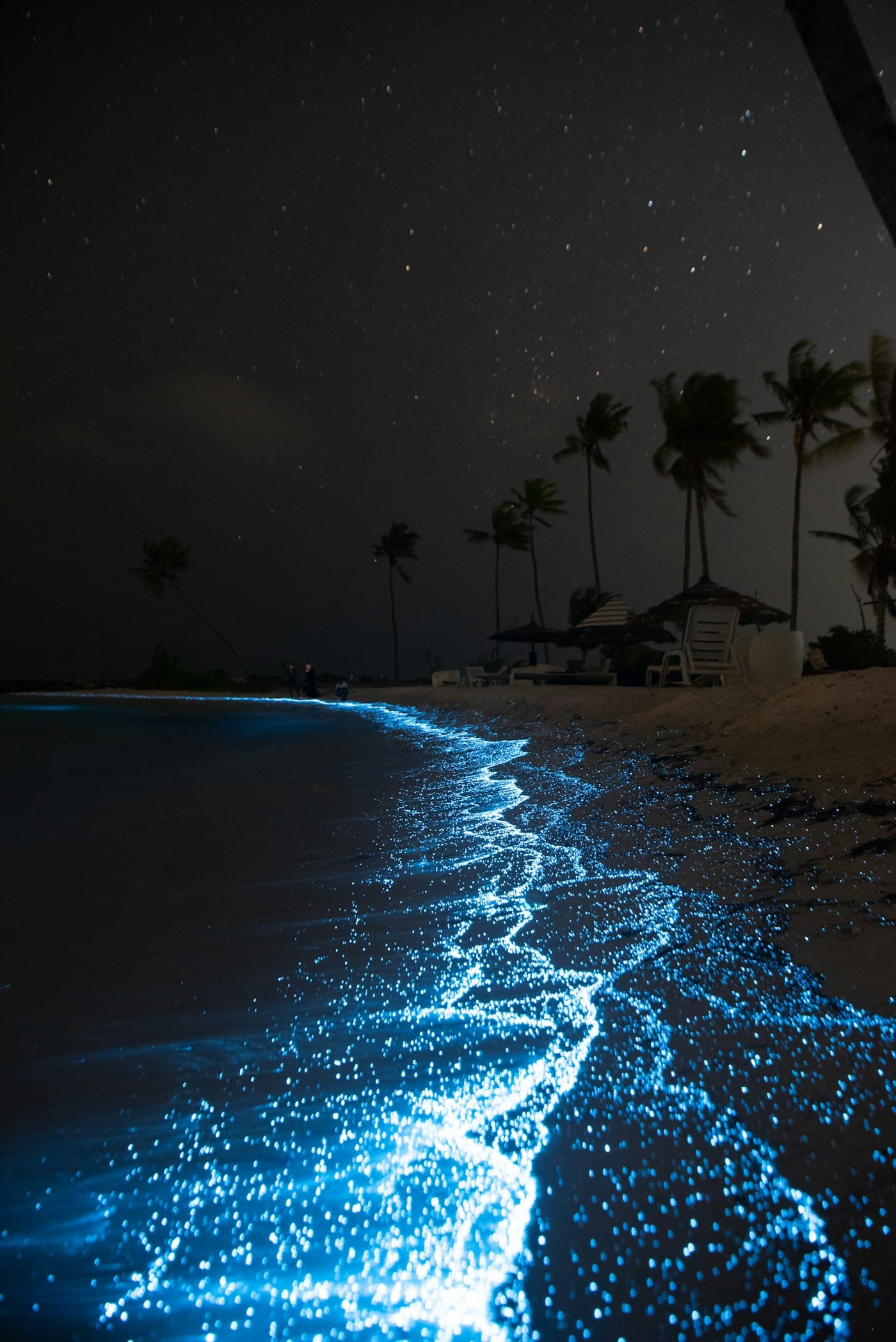
Sampled Lingulodinium polyedra bloom density at La Jolla Shores during a recurring bioluminescent red tide event.

Plankton NetHemocytometerSecchi Disk
  • Bloom density tracked over 5 weeks
  • Correlated bloom decline with dissolved oxygen drop
  • Data logged for the regional HAB early-warning network
06Skills

Sounded like a bathymetric trace.

Field & Diving

  • AAUS Scientific Diving92%
  • Transect & Quadrat Survey90%
  • Acoustic Tag Deployment76%
  • Photo-Quadrat Imaging85%

Data & Analysis

  • R (eDNA / qPCR pipelines)82%
  • CoralNet Image Annotation88%
  • ArcGIS Mapping70%
  • Python (pandas, matplotlib)66%
07Experience

Two field seasons in.

Graduate Research Assistant · Scripps Institution of Oceanography

2024 — Present

Supporting a faculty-led reef resilience project — photo-quadrat processing, eDNA lab work, and dive-log data management.

Reef EcologyeDNA Lab WorkDive Logging

Research Diver / Field Technician · Point Loma Kelp Restoration Project

Summer 2024

Ran SCUBA transects and canopy-density surveys to track kelp forest recovery after a multi-year marine heatwave.

SCUBA SurveyData LoggingSite Mapping

Teaching Assistant · Marine Biology Lab, UC San Diego

2023 — 2024

Ran weekly lab sections on invertebrate taxonomy, water chemistry, and dissection technique for 50+ undergraduates.

TaxonomyInstructionLab Safety
08Credentials

Papers to back the dive log.

AAUS Scientific Diver Certification

American Academy of Underwater Sciences

2024

PADI Advanced Open Water

PADI

2022

Wilderness First Aid + CPR

NOLS / American Red Cross

2024

Small Craft & Boat Operations

Scripps Marine Facility

2024

09From The Field

What advisors say.

Marisol's transect data was the cleanest in the cohort — every count logged with the depth, time, and visibility conditions right beside it. No guesswork.
Dr. Renata IbarraResearch Advisor, Scripps Institution of Oceanography
She's the diver who checks her own gauge twice and still surfaces with a full data sheet. That's exactly who you want running a transect at 60 feet.
Owen FrasierDive Safety Officer, Scripps Marine Facility
Marisol caught a bleaching signal in the Moorea data two weeks before the rest of us noticed it in the field. That's the kind of eye you can't fully teach.
Priya AnandPh.D. Candidate, Coral Reef Ecology Lab
10Get In Touch

Got a site worth surveying?

Field technician roles, research collaborations, or a dataset that needs a second pair of eyes — send the brief.

© 2026 Marisol VegaLa Jolla, CA